Angista Script Embroidery Font: A Designer’s Take on Elegant Stitching
When you’re working on a textile project, the typography is just as critical as the fabric you choose. I recently integrated the Angista Script Embroidery Font into a client project involving high-end linen branding, and the results were striking. It isn’t just another script font; it is a specialized piece of design assets that bridges the gap between digital precision and the tactile charm of embroidery. For anyone in the creative space—from fashion designers to content creators—understanding how this typeface behaves on cloth is essential for achieving that polished, high-end look.
The Anatomy of Angista: Flow, Form, and Function
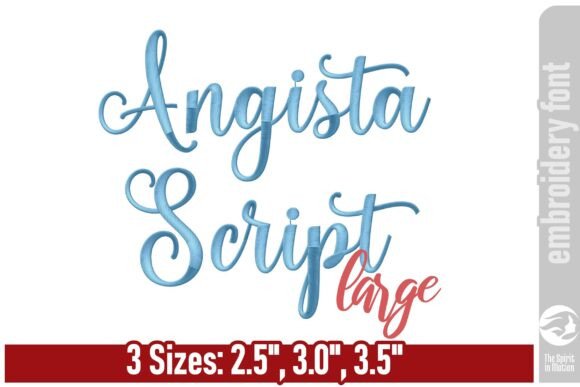
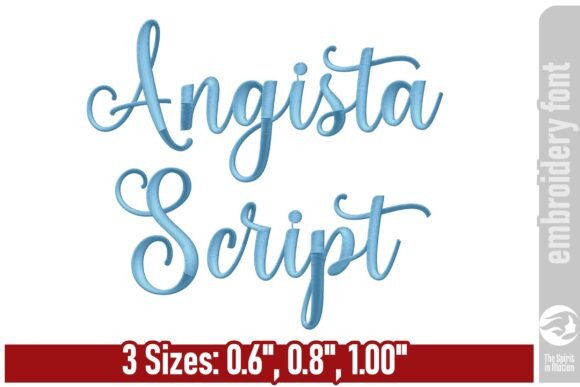
The visual personality of the Angista Script Embroidery Font is defined by its fluid, cursive nature. It mimics the natural flow of hand-lettering, offering a sense of authenticity that rigid, geometric typefaces often lack. In the world of modern typography, a display font like this serves a specific purpose: it captures attention and conveys emotion. Unlike a standard serif font or a clean sans serif font used for body text, Angista is designed for impact. Its stroke thickness and connection points have been digitized specifically for needlework, ensuring that the needle doesn't get lost in overly complex paths while maintaining the elegance of the script.
One of the most practical aspects of this set is the sheer volume of options provided. With 156 letters included, you aren't limited to a single aesthetic. This variety allows for nuanced creative font usage. You can mix uppercase styles with different lowercase variations to create a custom brand identity for your merchandise. However, because embroidery is a physical medium, you must respect the technical specifications. The download includes specific size and stitch information for the characters. While I won't list every metric here, the detailed "More Sewing Info" PDF is your bible for this project. It breaks down the density and dimensions, which is vital for stabilizing your fabric and choosing the right needle.
Strategic Applications: From Brand Identity to Home Décor
How you use the Angista Script Embroidery Font depends heavily on your project goals. For entrepreneurs and small business owners, this font is a powerful tool for packaging design and physical branding. Imagine this script embroidered on the chest pocket of a staff uniform or monogrammed onto product packaging. It immediately elevates the perceived value of the item. It tells the customer that you care about the details, reinforcing a strong brand identity without a word being spoken.
For the hobbyist or crafter, the applications are just as rewarding but perhaps more personal. This is where the font shines in home décor. Think about throw pillows, guest towels, or framed quotes for a gallery wall. The flowing nature of the script adds warmth to a room in a way that standard web design fonts cannot. It creates a focal point that draws the eye, functioning much like a piece of art rather than just text.
Visual Hierarchy and Readability in Thread
When we talk about typography in graphic design, we often discuss visual hierarchy. The same rules apply to thread. The Angista Script Embroidery Font is a premium font choice for headers or focal points, but it struggles as a body text equivalent. If you are stitching a long paragraph or a complex instruction manual, this script will become illegible. It is a display font at heart.
Therefore, a practical design observation is to use Angista for the "hero" element—such as a surname or a single inspirational word—and pair it with a simpler sans serif font or even a basic block style for any supporting information. This contrast creates a professional look. The script provides the personality and charm, while the supporting font provides the clarity and readability. This is a classic font pairing strategy that works just as well in embroidery as it does in editorial design or logo design.
Evaluating Project Fit and Technical Requirements
Before you hoop up, you need to evaluate if this font fits your specific material. The Angista Script Embroidery Font is designed for standard embroidery weights, but fabric texture plays a massive role. On a very loose weave or a highly textured fabric like terry cloth or bouclé, the delicate connecting strokes of the script might get lost. For those materials, you might need to increase the size significantly to maintain legibility.
Conversely, on stable fabrics like cotton twill, denim, or felt, this font performs beautifully. It allows for smaller sizing, making it perfect for delicate monograms on handkerchiefs or cuffs. The key is to utilize the stitch information provided in the download to adjust your machine's tension and underlay settings. Good design is technical; the elegance of the Angista Script Embroidery Font is only realized if the execution is mechanically sound.
Commercial Use and Consistency
For those of you running a small business, licensing is always a concern. It is important to verify the commercial font license included with your purchase to ensure you can legally sell the items you create. Assuming the license covers commercial use, this font becomes a staple in your library. It allows you to offer a consistent style across different products. You can use the same visual language on social media graphics—perhaps using a digital mockup of the embroidery—and then deliver the physical product, ensuring brand consistency from screen to stitch.
The Angista Script Embroidery Font is more than just a set of vectors; it is a bridge between digital design and physical craftsmanship. Whether you are a designer looking to expand your service offerings or a hobbyist wanting to add a professional touch to your gifts, this script offers a blend of technical reliability and aesthetic beauty. It requires a thoughtful approach to sizing and pairing, but when executed correctly, it transforms ordinary fabric into a canvas for elegant typography.