Ruhia Arabic: A Typeface for Modern Cultural Design
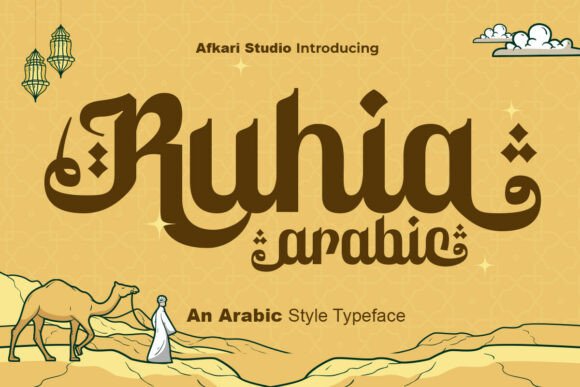
Choosing a font that carries cultural weight without feeling like a costume is a real challenge. You want something with a strong, authentic voice that still functions cleanly in a contemporary layout. Ruhia Arabic is a display typeface built for exactly that purpose. It’s not a direct translation of Arabic script into Latin letters. Instead, it captures the rhythm, flow, and visual personality of Middle Eastern calligraphy and reinterprets it for modern graphic design needs.
The character of Ruhia Arabic is in its details. Notice the sharp terminals on letters like the 'c' or 'a'—they end with a crisp point, reminiscent of a reed pen. The curves have a distinct flow, not perfectly geometric but with a rhythmic, almost brush-like quality. Strokes vary in weight, creating a dynamic contrast that gives the text life on the page. This isn't a quiet, background font. It has a strong personality, designed to make a statement in headlines, logos, and prominent display text.
Where Ruhia Arabic Finds Its Voice
This typeface excels in projects where cultural connection, elegance, or a touch of the exotic is key. Think beyond the obvious. Yes, it’s a natural fit for Ramadan promotions, Islamic event posters, and restaurant branding seeking an authentic Middle Eastern vibe. But its utility extends much further.
- Brand Identity: For a boutique hotel, a luxury skincare line using traditional ingredients, or a specialty food importer, Ruhia Arabic can form the core of a logo design that feels established and culturally rich. It sets a specific, premium tone immediately.
- Packaging Design: On product labels for spices, coffee, teas, or artisanal goods, the font adds a layer of storytelling. It communicates heritage and craftsmanship visually before a customer even reads the copy.
- Editorial & Publishing: Use it for chapter headings in a travel magazine, cover titles for books on history or culture, or as a pull-quote font in editorial design to create visual interest and thematic cohesion.
- Digital & Social Media: In social media graphics, Ruhia Arabic can stop the scroll. It works for quotes, announcement headers, or as a stylized element in web design banners for travel blogs, cultural institutes, or event sites.
The key is context. Ruhia Arabic brings its cultural and artistic resonance to the foreground. It’s most effective when the project’s message aligns with that visual language.
Working With Ruhia Arabic: Practical Considerations
As a display font, Ruhia Arabic is built for impact, not for body text. Its intricate details and strong personality are best showcased at larger sizes. For logo design or a headline, it creates a powerful focal point. Pairing it correctly is crucial for a balanced visual hierarchy. A clean, neutral sans serif font for supporting text often works well, providing a calm counterpoint to Ruhia’s expressive strokes. You could also experiment with a simple, open serif font for a more traditional feel.
Before committing, test it thoroughly. Install the OTF or TTF file and see how it looks in your specific design software—whether that’s Adobe Illustrator, Photoshop, or even Microsoft Word for quick mockups. Check the special alternates included. These are alternate versions of certain letters (often accessed via OpenType features or a character map) that can help you customize the look, avoid repetitive letter shapes, or solve spacing issues in specific words.
The font’s multilingual support for characters like ä ö ü Ä Ö Ü ß ¿ ¡ is a practical bonus. It means you can use Ruhia Arabic in projects targeting German, Spanish, or other European languages without losing the core aesthetic, which is a significant advantage for global brands or multilingual publications.
From a workflow perspective, the fact that Ruhia Arabic is PUA encoded is a major benefit. It means all the alternate glyphs and stylistic characters are fully accessible directly from your operating system’s character map or the glyphs panel in design apps. You don’t need specialized design software to access the full character set, which simplifies the process for designers and even non-designers using tools like Canva or Word.
Aligning Font Choice with Project Goals
When evaluating if Ruhia Arabic is the right premium font for your project, start with the core message. Does your brand or project aim to communicate heritage, luxury, craftsmanship, or a connection to Middle Eastern culture? If yes, it’s a strong candidate. If you’re looking for a subtle, workhorse text font, it’s not.
Consider your brand identity system as a whole. A creative font like Ruhia Arabic should integrate with, not overwhelm, your other design assets. It can be the star of a logo or headline, but it needs supporting players—your body copy font, your color palette, your imagery—to tell a complete and cohesive story. The goal is professionalism and recognition, not just decorative flair.
Finally, always check the licensing. For commercial projects—whether it’s a client’s logo, a product for sale, or a paid publication—ensure you have the appropriate license. The availability in OTF, TTF, and WOFF2 formats covers most use cases, from print to web design.
Ruhia Arabic is a specialized tool. Used thoughtfully, it can inject a project with a distinctive, culturally-aware aesthetic that resonates with audiences seeking authenticity and elegance. It bridges the gap between traditional artistic influence and the demands of modern typography, offering a valuable asset for designers, marketers, and creators aiming to build a memorable and meaningful visual presence.