Script Number One: A Modern Script Font for Digital Design
The Anatomy of a Versatile Script Typeface
Finding a script font that balances elegance with digital usability can feel like searching for a needle in a haystack. Many handwritten styles are beautiful on paper but fall apart when applied to embroidery machines or scaled for packaging. Script Number One bridges that gap. It is a premium font design that captures the fluidity of natural handwriting while maintaining the structural integrity required for modern manufacturing and digital platforms. Visually, it strikes a tone that is neither too formal nor too casual. The strokes have a natural rhythm, avoiding the stiff, mechanical look of auto-generated scripts.
When you look at the letterforms, you will notice consistent baseline alignment and moderate x-heights. This is crucial for legibility. Unlike chaotic grunge fonts, Script Number One keeps its connections clean. This makes it an excellent choice for projects where the text needs to carry meaning, not just look decorative. It functions as a creative font that can adapt to different contexts, from a wedding invitation to a boutique coffee label. The personality of the typeface is approachable yet sophisticated, making it a reliable asset in a designer’s toolkit.
From Screen to Stitch: The Embroidery Advantage
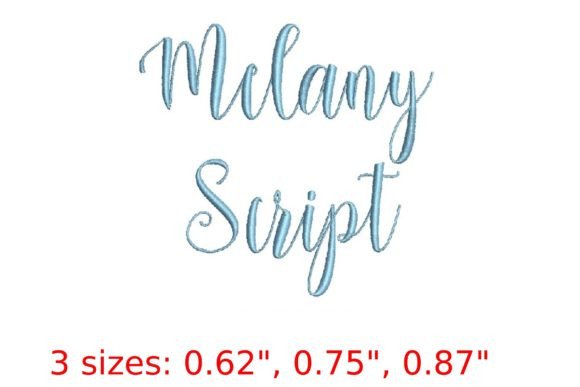
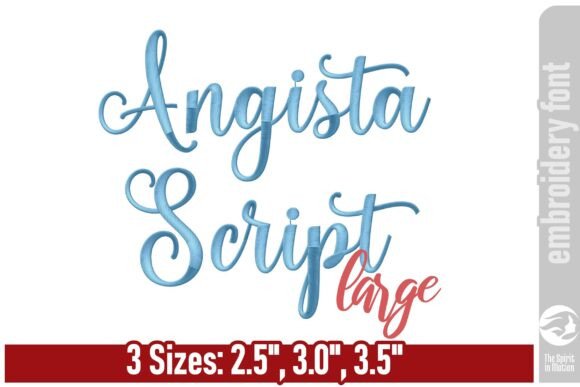
One of the most distinct features of this specific offering is its adaptability as a machine embroidery design. Many graphic designers overlook the technical requirements of textile production until they are knee-deep in a project. Standard vector fonts often require heavy digitization to work on fabric, resulting in puckering or broken lines. Script Number One comes pre-packaged with multiple embroidery file formats. This eliminates the guesswork for creators working with Brother, Janome, or Singer machines.
The digitization of this font respects the "pull" and "push" of fabric. The stitch paths are optimized to maintain the smooth curves of the script style even when working with thread. For small business owners creating custom merchandise—think monogrammed tote bags, custom hats, or branded aprons—this is a massive time-saver. You can move from a digital mockup in your web design software to a physical product without losing the visual integrity of the logo design. The transition from vector to stitch is seamless, ensuring that the brand identity remains consistent across both paper and fabric.
Editorial and Publishing Design
In the realm of editorial design, hierarchy is everything. A magazine cover or a blog header needs a typeface that commands attention without overwhelming the body copy. Script Number One excels as a display font. It provides a human touch to headlines that might otherwise feel cold if set in a rigid sans serif font. For publishers and content creators, using this font for pull quotes or chapter titles adds a layer of warmth and personality. It signals to the reader that the content is curated and thoughtful, rather than mass-produced.
Packaging and Product Labels
Consider the shelf appeal of a product. Consumers make split-second decisions based on visual cues. A handwritten font like Script Number One implies artisanal quality. It works exceptionally well for packaging design in the food, beauty, and lifestyle sectors. Whether it is a logo design for a new skincare line or the label for a small-batch jam, this typeface communicates authenticity. It pairs beautifully with a clean serif font for the ingredient lists, creating a visual hierarchy that guides the customer's eye from the brand name to the details.
Digital Presence and Social Media
On digital platforms, distinctiveness is currency. Social media graphics need to stop the scroll. Because Script Number One has a unique but readable style, it is perfect for Instagram quotes, Pinterest pins, and YouTube thumbnails. It adds a personal flair that standard web fonts often lack. Furthermore, because it is a premium font, you avoid the risk of looking like every other creator using the default system fonts. It helps in building a cohesive digital aesthetic that supports long-term brand recognition.
Strategic Font Pairing and Readability
A common mistake in design is using a script font for large blocks of text. Script Number One is designed for impact, not for reading paragraphs. Its strength lies in headers, logos, and call-outs. To maximize readability and visual hierarchy, you must pair it correctly. A high-contrast pairing works best. Try combining Script Number One with a geometric sans serif font for body text. The clean lines of the sans serif will ground the organic flow of the script, creating a balanced composition.
When evaluating the font for a project, consider the "noise" level of your background. If you are working on a busy photograph, ensure the font weight is heavy enough to stand out. If you are working on a minimalist web design, the font's natural elegance will shine without competition. Always test your font pairings at the actual size they will be viewed. A script that looks legible at 100 pixels on your monitor might become unreadable when printed on a small business card or viewed on a mobile device.
Commercial Licensing and Value
For entrepreneurs and freelancers, understanding licensing is as important as the design itself. Using a font commercially without the proper license can lead to legal headaches. Script Number One is typically offered with a commercial license that covers a wide range of uses, including digital products, physical goods, and print media. This makes it a safe investment for agencies and independent creators alike.
When you purchase a design asset like this, you are buying efficiency. Instead of spending hours modifying a free font to fit your needs—or paying a digitizer to convert your logo for embroidery—you have a turnkey solution. The inclusion of multiple file formats ensures that Script Number One remains a versatile tool in your library for years to come. Whether you are designing a wedding monogram or a corporate event invitation, this font provides the professional polish that clients expect.